ಯುಗಾದಿ - Yugadi (also known as Ugadi) is the first day of the of the first month, the Chaitra, according to the Hindu (Lunar) calender.
In Karnataka and Andhra, the tender flowers of neem mixed with jaggery and mango slices are distributed on the occasion। The neem , extremely bitter in taste, and jaggery which is sweet and delicious, gives the different aspects of human life... joy and sorrow.... This is a message to accept both and try to overcome the difficulties of life with a positive not. It is exchanged among friends and relatives after a small pooja at home.I make it more tasty by adding some cashew nuts and raisins , kids like it better.

ಬೇವು ಬೆಲ್ಲ
According the Hindu calendar, we are now in the 5101st year of the KALIYUGA and the year 1922 of the SHALIVAHANA SHAKA.On this 16th of March, 2010, we have entered the first month of CHAITRA. This will be followed by VAISHAKA, JYESHTA, AASHADA, SHRAVANA, BHAADRAPADA, ASHWAYUJA, KARTHIKA, MARGASHIRA, PUSHYA, MAAGHA and PHALGUNA.
The typical Menu of Yugadi Festive meal in our house is Holige, Mavinkayi Chitranna, Ambode , Payasa and Kosambari. On seeing the ingredients in all these I am seeing that all these are made of the ingredients which are available in this season.. mango , the Dals (lentil season) etc. This year I tried Holige... Thanks to a dear friend Sharadha who taught me with patience and answered all my silly questions and made it possible. it was easy to make and tasty as expected.
TOGRIBELE HOLIGE/ Arhar daal puranpoli...

Here is the recipe...Straight from her.
Ingredients: I was clean bowled with her puran polis and understood that it was not difficult to make but had certain tips to be followed to make it tasty. The consistency of the dough used for covering and the stuffing is extremely important. With a little practice I am sure we can get it right.
For the Stuffing:
6 cups of water
1 cup Arhar dal ( Tuvar dal, Split pigeon peas)
1 cup Sugar or Jaggery
Elaichi/Cardamom powder to taste
Freshly grated coconut ( optional and to taste)
For the covering:
1 cup all purpose flour.
1 pinch turmeric powder
1 cup oil.
Method:
Covering:Mix one cup of all purpose flour ( Maida) with a pinch of turmeric with a little water. The mixing is a bit tricky . Keep adding water little by little till the dough gets pliant. Cover and let it soak for about 2 to 3 hours. Then add two spoons of oil and make it more pliant to hold the stuffing and roll.
The stuffing (hoorana) : Boil 6 cups of water in a wide mouthed and heavy bottom vessel. Add a pinch of turmeric for the yellow colour. Add one cup of Dal in this boiling water and let it cook well ( but do not let it get soft. it such be cooked but a bit firm). Drain the water out and let the dal /lentil cool a bit and add the sugar or jaggery , whichever you wish, both have their own special taste. Add cardamom/Elaichi powder to taste and grind in a mixer to a paste consistency. This paste is lighter in colour.
Making the hoLige:

Take a small ball of the dough meant for covering and mould it in the shape of cup. Make a tiny ball of the hoorana (stuffing) and cover it well with the dough. Place this on a oil smeared thick plastic cover or butter paper add enough oil to roll them into thin rotis and roast on hot tawa adding as much oil required.
My grandmother would always make saaru out of the left over hoorana (stuffing) . Will post that recipe soon. Today the blogger isn't in a very amicable mood took me more than 5 hours to load these pictures .
Wishing you all a very happy new year...


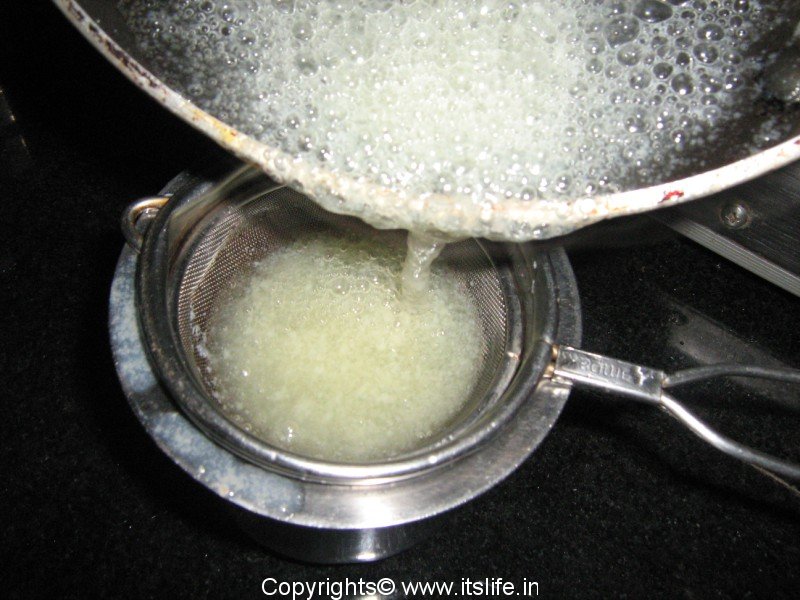
 Now add a spoon of milk and one spoon of yogurt (mosru) strain the syrup into another thick bottom pan . This removes the first round of dirt. Sieve the syrup and pour the syrup back into the pan and boil again.
 The syrup will start to froth with this boiling now. Add a spoon of yogurt again and repeat the process. Put to boil the strained syrup . This time add the remaining Milk and stir and sieve again.
 Pour the syrup back in the pan and continue to boil until the mixture to a consistency called MUTTU PAKA in Kannada , muttu meaning a pearl. The syrup at this time will be thick and a droplet of it will stay put at one place when dropped and doesn't flow.